

Why Hire a Gas Cooker Engineer?
Repairs are frequently required for cooking gas systems. Some problems can be fixed by homeowners, such as cleaning the burners or changing the ignition components. Others require assistance from a professional like gas leak repair or regulator adjustments.
As an engineer for gas cookers assist customers in troubleshooting their appliances. Your people skills are crucial to provide reassurance and efficient service.
Installation
It is possible to install your own gas cooker. However in the absence of an official license, it is recommended to have a professional do it for you. You can be confident that your new gas cooker is installed correctly and that the gas lines are properly positioned. You are also legally required to have an engineer from the Gas Safe Register visit your home and check for any leaks after installation.
Furthermore, a certified gas cooker technician will shut off the gas supply, shut off all gas lines, and verify that the new stove is placed in the proper location. In addition, they will ensure that all connections are tight and secure. This is vital to ensure security. It only takes the time of an experienced and skilled gas cooker engineer to install the stove.
Repair
Gas cookers need to be inspected and serviced on a regular basis to ensure they are operating properly. Carbon monoxide poisoning can occur when any issues are not addressed immediately. This is because CO poisoning cannot be detected or smelled. corgi gas safe engineers is extremely hazardous.
CO is created when natural gas or LPG is burned incorrectly and causes the appliance to fail. In high levels, it could cause death. This could be due to the gas cooker being improperly repaired or fitted, or when it is not properly maintained or cleaned. It is also important to keep a gas cooker safe by following the guidelines of the manufacturer and only having it installed or repaired by a Gas Safe registered engineer.
A Gas Safe registered Engineer will have completed the course and passed all the tests required to be certified to work with kitchen appliances. They are able to install replacement, repair inspect and repair gas cookers and other gas appliances such as boilers, central heating systems hot water storage cylinders as well as wall heaters.
Gas Safe engineers are able to repair cookers according to highest standards. They are able to identify any issue and figure out the best solution safely and quickly. They will check that the gas supply and safety system, as well as the burners are functioning correctly. They will also check that the appliance complies with the current regulations for installation and issue an Gas Safety Certificate, which is required for any gas cooker warranty or breakdown cover to be valid.
It is possible to become a Gas Engineer through an adult apprenticeship which is a standard method for those who are new to the industry. After completing the qualification you can choose to work for yourself or join one of the numerous Gas Engineering companies in the UK. Self-employed people are likely to earn more but they'll have to be prepared for the extra responsibility of being the sole responsible for their own income and business expenses. They may also have to answer emergency calls 24/7 which can be stressful and negatively impact their lifestyle.
Maintenance
If you're planning to have the installation of a new gas cooker it must be done by a licensed Gas Safe registered engineer. This is because any gas-related work could be hazardous and it's important that it's completed correctly to ensure your safety.
This includes disconnecting the gas supply from the old one before connecting the new appliance, and testing it for leaks. Your engineer will also ensure that all pipes are in good working condition and is suitable for the appliance, as well checking that ventilation requirements are met.
Your engineer will issue an Gas Safety Certificate once the installation is completed. This is a required document for any gas cooker installation. It is used to prove that the appliance was correctly installed and the gas supply has been checked.
Maintenance for gas cookers can be a bit trickier than other appliances, because the system is more intricate and requires additional security checks to ensure that there are no issues. Fortunately gas engineers are trained to know how to recognize signs that your stove is struggling. This includes the unpleasant smell of gas, which is typically one of the first indicators that there's something wrong. It is essential to be aware of these warning signs, and to contact a professional as quickly as possible to minimize the chance of an accident.
In addition to technical skills, a gas engineer will require exceptional customer service and organisational skills. This is because many gas engineers work on their own and it's crucial to plan their schedule efficiently and meet deadlines. It's also essential to be able to answer questions from customers and reassure them that they are in good hands, since this will ease their anxiety.
As gas cooker engineers will require you to be comfortable working in cramped spaces and dealing with potentially dangerous systems. It is crucial to adhere to the manufacturer's guidelines when performing a routine check or fixing a gas cooker. This will prevent any more damage or issues. You'll need to be able to identify the root of any issue quickly as this can lead to more issues in the future.
Troubleshooting
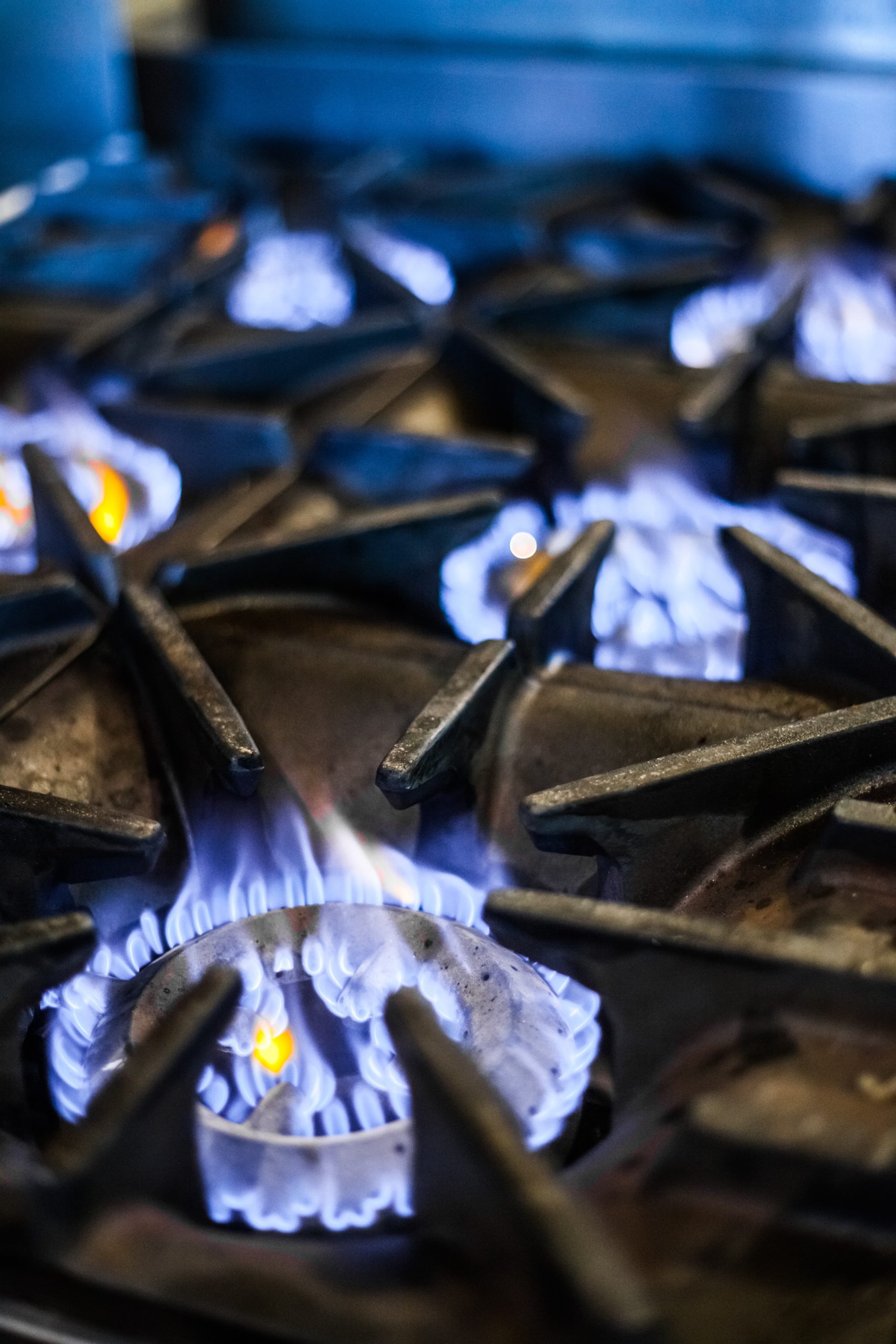
Gas stoves can be prone to problems that render them unusable, despite their popularity. You can spot the issue and fix it, whether you're the owner of a restaurant or a cook at home.
If your oven fails to start heating, first verify whether it's connected into an electrical outlet. This may seem like a silly first step, but if the stove is unplugged or the cord is disconnected from the appliance itself, it won't function. Also, ensure that your breaker or fuse hasn't been reset due to a power outage or high electrical usage.
A gas oven that is not working could have issues with the gas supply. This is a risk to safety that requires a thorough inspection by a skilled gas technician.
Gas stoves either have a standing pilot system or an electronic ignition system. The former uses a small, constant flame to ignite the gas when it is turned on and the latter generates an electric spark to ignite the stove. Both systems can experience problems like a dirty or blocked pilot light, defective ignition switches, or spark electrodes that aren't working.
You might be able to solve the problem with your gas stove's ignition system on your own, as long as you are cautious and follow the manufacturer's guidelines. You may need to clean the igniter switch and then test or replace the spark module, alter the pilot flame, and clean the burner port. If these solutions do not work to resolve the problem, refer to your appliance's Use and Care Guide or an appliance expert for advice.
If you aren't seeing a flame on the burners in your oven it could be an issue with either the igniter or the igniter switch. A blocked burner cap could also be to blame as food residue can block the tiny burner ports and inhibits gas flow. Also, an intermittent flame might be caused by the oven's temperature sensor or heating element not functioning properly. If necessary, inspect these components to check for signs of wear and damage or tear. It is also possible to calibrate temperature sensors within the oven sensor housing.